
One of the simplest ways parents can reduce conflict after separation or divorce is also one of the most overlooked:
Do not use your children to communicate with the other parent.
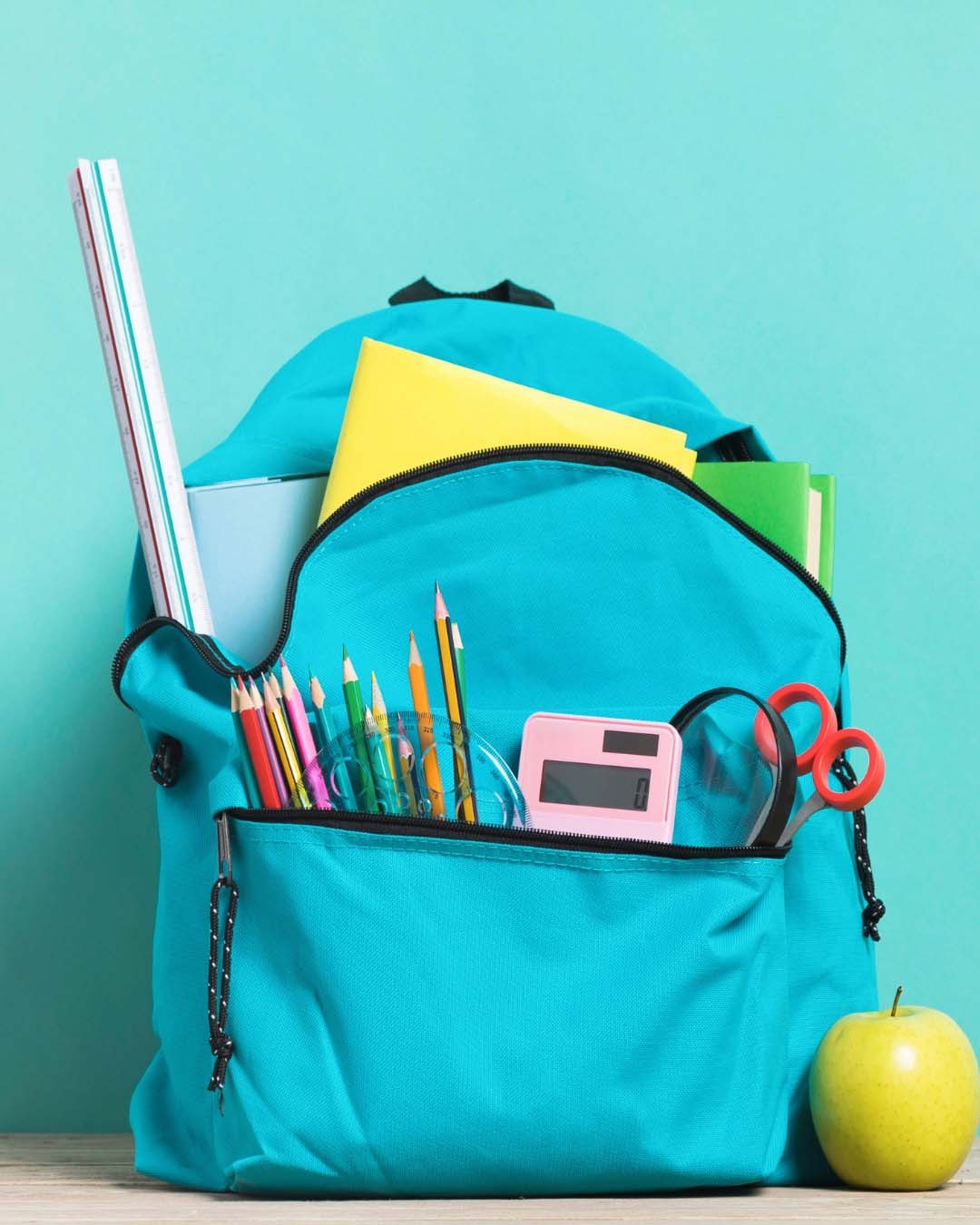
That includes verbal messages, text messages sent from a child’s phone, questions to pass along, and even notes tucked into a child’s backpack.
While these methods may seem convenient, they place children in the middle of adult issues and can have lasting emotional consequences.
Why Parents do it
Most parents do not intend to put their children in the middle. Often, they are simply trying to solve a practical problem.
They may think:
- “It’s just a quick message.”
- “The backpack is going there anyway.”
- “I can’t get the other parent to respond.”
- “This will save time.”
Although the intention may be harmless, the impact on the child is often quite different.
The Problem with using children as messengers
When parents rely on children to communicate, the child is no longer just a child. They become responsible for delivering information between two adults who may already be experiencing conflict.
Children may worry:
- What if I forget?
- What if Mom gets mad because I didn’t tell Dad?
- What if Dad gets upset about the message?
- What if I lose the note?
Instead of focusing on school, friends, sports, or simply enjoying time with each parent, they begin carrying responsibilities that belong to the adults.
Even seemingly innocent messages can create anxiety.
“I’ll just put a note in their backpack”
This is one of the most common forms of indirect communication.
A note in a backpack may seem less confrontational than an email or text, but it still places the child in the middle.
The child becomes responsible for transporting the communication. They may discover the note, wonder what it says, worry about whether it will be found, or feel responsible if it is misplaced.
More importantly, the backpack should carry homework, library books, lunch boxes, and artwork—not the emotional weight of their parents’ disagreements.
Communication is an adult responsibility
Parents have many tools available to communicate directly:
- Text messages
- Co-parenting apps
- Phone calls
- Attorneys
- Mediators
- Parenting coordinators or other professionals when appropriate
Using these methods keeps children where they belong—outside the communication loop. Even when communication is difficult, it is the adults’ responsibility to find an appropriate way to communicate.
There are rare exceptions
Occasionally, children may naturally share information about their lives:
- “Dad said my soccer game starts at 6:00.”
- “Mom told me Grandma is visiting this weekend.”
That is very different from asking a child to deliver a message, negotiate a schedule change, discuss expenses, or relay a parent’s concerns.
The distinction is simple:
Children may share their experiences. They should not be responsible for delivering their parents’ communications.
What to do instead
The next time you are tempted to send a message via your child, pause and ask yourself:
“Could I send this directly to the other parent instead?”
The answer is almost always yes. If communication has become so strained that direct communication feels impossible, that is usually a sign that additional support—a mediator, collaborative divorce professional, parenting coordinator, or counselor—may be helpful.
Your child deserves to be just that—a child
Every interaction after divorce teaches children something about conflict, communication, and relationships. When parents communicate directly with one another, they send an important message:
“Our disagreements are ours to solve—not yours.”
That simple shift relieves children of a burden they were never meant to carry and allows them to focus on what matters most: learning, growing, and simply being children.
Remember: If your message belongs in an email, text, or phone call between adults, it does not belong in your child’s mouth—or in your child’s backpack.
Diana.